
Java中线程间共享变量的问题(11)
Java中线程间共享变量的问题(11)
提问于 2020-12-26 09:59:00
也许我希望表达的不是那么清楚,第一个例子是关于何时以及如何使用
的示例,为了使程序成功运行,我们需要添加易失性。第二种是希望表达,即使没有易失性,程序也会成功运行。我希望知道为什么在没有“不稳定”的情况下会发生这种情况
在第一个示例中,使用易失性的典型示例
public static int num=1;

public static class MyThread extends Thread {
    // flag
    private boolean flag = false ;
    public boolean isFlag() { return flag;}
    @Override
    public void run() {
        try {
            Thread.sleep(1000);
        } catch (InterruptedException e) { e.printStackTrace();
        }
// change flag to true
        this.flag = true ;
        System.out.println("flag=" + flag);
        this.flag=true;
    }
}
// main
static void testWithOutVolatile(){
    MyThread t=new MyThread();
    t.start();
    while(true) {
        boolean is=t.flag;
        if (is) {
            System.out.println("run======");
        }
    }
}
启动后,主线程将找不到更改标志,除非使用易失性。
然而,在示例中,thread2意外地得到了标志的更改,为什么会发生这种情况?
static int amb=0;
static void testSimple(){
    Thread t1=new Thread(()->{
        try {
            TimeUnit.SECONDS.sleep(1);
        } catch (InterruptedException e) {
            e.printStackTrace();
        }
        amb++;
    });
    Thread t2=new Thread(()->{while(true) {
        if (amb == 0) {
            System.out.println("no");
        }
        if (amb != 0) {
            System.out.println("SUc");
            break;
        }
    }});
    t2.start();
    t1.start();
}
经过一次尝试,我发现如果我删除代码
if (amb == 0) {
            System.out.println("no");
        }
它会像我想的那样运行,thread2无法得到更改。
谢谢你的回答,QwQ
回答 1
Stack Overflow用户
回答已采纳
发布于 2020-12-26 10:36:11
在第二种情况下,io语句可能刷新线程的缓冲区
Thread t2=new Thread(()->{while(true) {
        System.out.println("no");
        if (amb != 0) {
            System.out.println("SUc");
            break;
        }
    }});
如果我使用io语句(Sout),它将成功地工作。
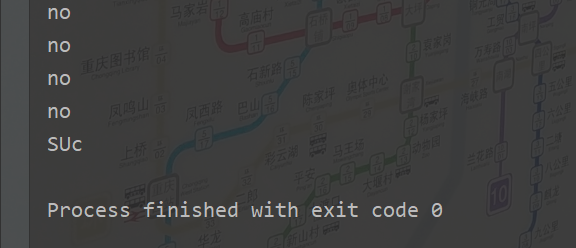
通过这种方式,我不断地在println中找到理由,我也找到了真正的原因。
 public void println(String x) {
    synchronized (this) {
        print(x);
        newLine();
    }
}
同步导致线程切换
通过开关,线程的缓冲区是透明的,
所以thread2读取了一个新的值
页面原文内容由Stack Overflow提供。腾讯云小微IT领域专用引擎提供翻译支持
原文链接:
https://stackoverflow.com/questions/65455228
复制相关文章
相似问题
腾讯云开发者

Copyright © 2013 - 2026 Tencent Cloud. All Rights Reserved. 腾讯云 版权所有
深圳市腾讯计算机系统有限公司 ICP备案/许可证号:粤B2-20090059  粤公网安备44030502008569号
腾讯云计算(北京)有限责任公司 京ICP证150476号 | 京ICP备11018762号