netty如何结合Zookeeper如何高并发的代码实现步骤 —— 慧哥充电桩开源平台

netty如何结合Zookeeper如何高并发的代码实现步骤 —— 慧哥充电桩开源平台

文慧的科技江湖8676
发布于 2026-06-17 14:58:48
发布于 2026-06-17 14:58:48
Netty是一个高性能、异步事件驱动的NIO(非阻塞IO)网络通信框架,而Zookeeper是一个分布式、开放源码的分布式应用程序协调服务,常用于维护配置信息、命名空间和提供分布式同步。
在高并发环境下,Netty与Zookeeper的结合使用可以提供稳定、可扩展的消息传输系统。下面将详细探讨如何在实际项目中应用Netty与Zookeeper的组合来构建高并发系统:
- 服务节点的注册与发现:
- 每个Netty服务启动时,将自己的网络地址(IP和端口号)作为节点信息注册到Zookeeper上[1][2]。
- Zookeeper使用“临时节点”来存储这些动态信息,如果Netty服务节点宕机,对应的临时节点会自动从Zookeeper中移除,从而保证了服务发现信息的实时性[1][2]。
- 负载均衡策略:
- 在Zookeeper中对注册的Netty服务节点采用负载均衡策略,例如轮询或者随机选择,以确保客户端请求能够平均分配到各个服务节点上[3]。
- Netty服务节点可以通过计数器或权重机制来调整负载均衡的效果,确保系统在面临不同压力时依然能保持平衡[1][2]。
- 心跳检测与断线重连:
- Netty服务节点与Zookeeper之间定期发送心跳包以检测连接的健康状况,如果心跳检测失败,则触发断线重连机制[2]。
- 这保证了在服务节点异常情况下,可以迅速被系统感知并作出相应的调整[2]。
- 数据同步与一致性:
- 利用Zookeeper的分布式锁功能,可以在多个Netty服务节点之间实现资源的同步访问,保证数据的一致性[2]。
- Zookeeper的事务管理功能也可以帮助系统在并发环境下维持数据的完整性和准确性[2]。
- 消息确认与重发机制:
- 为每个请求添加序列号或唯一标识,确保消息的唯一性和可追溯性[2]。
- 服务消费者发送请求后,等待服务端的确认消息,如果超时未收到确认,则重新发送请求[2]。
- 集群管理与动态扩展:
- Zookeeper的管理界面可以展示所有注册的Netty服务节点的状态,包括在线、离线以及负载情况[1]。
- 根据系统负载情况,可以动态地增加或减少Netty服务节点数量,满足不同时间段的用户需求[1][2]。
- 多机房部署与灾备:
- 通过在多个机房部署Zookeeper和Netty集群,可以实现跨地域的服务发现和负载均衡[2]。
- 当某个机房出现故障时,其他机房的服务节点可以迅速接管,确保系统的连续性和可用性[2]。
- 实战案例与源码解析:
- 可以参考开源项目CrazyIm,这是一个基于Netty和Zookeeper实现的分布式聊天室程序,其源码详细展示了如何在实际开发中结合使用Netty和Zookeeper[1][4]。
- 该项目的源码提供了完整的例子,包括服务启动、节点注册、消息转发等功能的具体实现方法[1][4]。
总结起来,将Netty与Zookeeper结合应用于高并发系统,不仅需要理解各自的工作原理和技术特点,还需要结合实际需求设计和实现多种高可用、高可靠的架构方案。这种组合能够有效应对海量用户请求,同时提供灵活的扩展能力和故障恢复机制。在实际开发中,可以参考已有的开源项目进行学习和实践,不断优化和改进自己的系统设计。
代码实现步骤:
要使用Netty结合Zookeeper实现高并发,可以按照以下步骤进行:
- 添加依赖
在项目的pom.xml文件中添加Netty和Zookeeper的依赖:
<dependencies>
    <dependency>
        <groupId>io.netty</groupId>
        <artifactId>netty-all</artifactId>
        <version>4.1.63.Final</version>
    </dependency>
    <dependency>
        <groupId>org.apache.zookeeper</groupId>
        <artifactId>zookeeper</artifactId>
        <version>3.6.2</version>
    </dependency>
</dependencies>- 创建Zookeeper客户端
创建一个Zookeeper客户端类,用于连接Zookeeper服务器并获取节点数据。
import org.apache.zookeeper.WatchedEvent;
import org.apache.zookeeper.Watcher;
import org.apache.zookeeper.ZooKeeper;

import java.io.IOException;

public class ZookeeperClient {
    private static final String CONNECTION_STRING = "localhost:2181";
    private static final int SESSION_TIMEOUT = 3000;
    private ZooKeeper zooKeeper;

    public ZookeeperClient() throws IOException {
        zooKeeper = new ZooKeeper(CONNECTION_STRING, SESSION_TIMEOUT, new Watcher() {
            @Override
            public void process(WatchedEvent event) {
                System.out.println("事件类型:" + event.getType() + ",路径:" + event.getPath());
            }
        });
    }

    public byte[] getData(String path) throws Exception {
        return zooKeeper.getData(path, false, null);
    }
}- 创建Netty服务器
创建一个Netty服务器类,用于接收客户端请求并将请求转发给Zookeeper客户端。
import io.netty.bootstrap.ServerBootstrap;
import io.netty.channel.*;
import io.netty.channel.nio.NioEventLoopGroup;
import io.netty.channel.socket.SocketChannel;
import io.netty.channel.socket.nio.NioServerSocketChannel;
import io.netty.handler.codec.string.StringDecoder;
import io.netty.handler.codec.string.StringEncoder;

public class NettyServer {
    private static final int PORT = 8080;

    public static void main(String[] args) throws Exception {
        EventLoopGroup bossGroup = new NioEventLoopGroup();
        EventLoopGroup workerGroup = new NioEventLoopGroup();
        try {
            ServerBootstrap serverBootstrap = new ServerBootstrap();
            serverBootstrap.group(bossGroup, workerGroup)
                    .channel(NioServerSocketChannel.class)
                    .childHandler(new ChannelInitializer<SocketChannel>() {
                        @Override
                        protected void initChannel(SocketChannel ch) throws Exception {
                            ch.pipeline().addLast(new StringDecoder());
                            ch.pipeline().addLast(new StringEncoder());
                            ch.pipeline().addLast(new SimpleChannelInboundHandler<String>() {
                                @Override
                                protected void channelRead0(ChannelHandlerContext ctx, String msg) throws Exception {
                                    System.out.println("收到客户端请求:" + msg);
                                    // 处理请求并转发给Zookeeper客户端
                                    handleRequest(ctx, msg);
                                }
                            });
                        }
                    });
            ChannelFuture channelFuture = serverBootstrap.bind(PORT).sync();
            channelFuture.channel().closeFuture().sync();
        } finally {
            bossGroup.shutdownGracefully();
            workerGroup.shutdownGracefully();
        }
    }

    private static void handleRequest(ChannelHandlerContext ctx, String msg) throws Exception {
        // 根据msg中的路径从Zookeeper获取数据,并将结果返回给客户端
        String path = msg; // 假设msg就是路径
        ZookeeperClient zookeeperClient = new ZookeeperClient();
        byte[] data = zookeeperClient.getData(path);
        String result = new String(data);
        ctx.writeAndFlush(result);
    }
}- 启动Netty服务器和Zookeeper客户端
分别运行NettyServer和ZookeeperClient类的main方法,启动Netty服务器和Zookeeper客户端。
- 测试高并发
使用JMeter或其他压测工具,向Netty服务器发送大量请求,观察服务器是否能正常处理高并发请求。
在这里插入图片描述
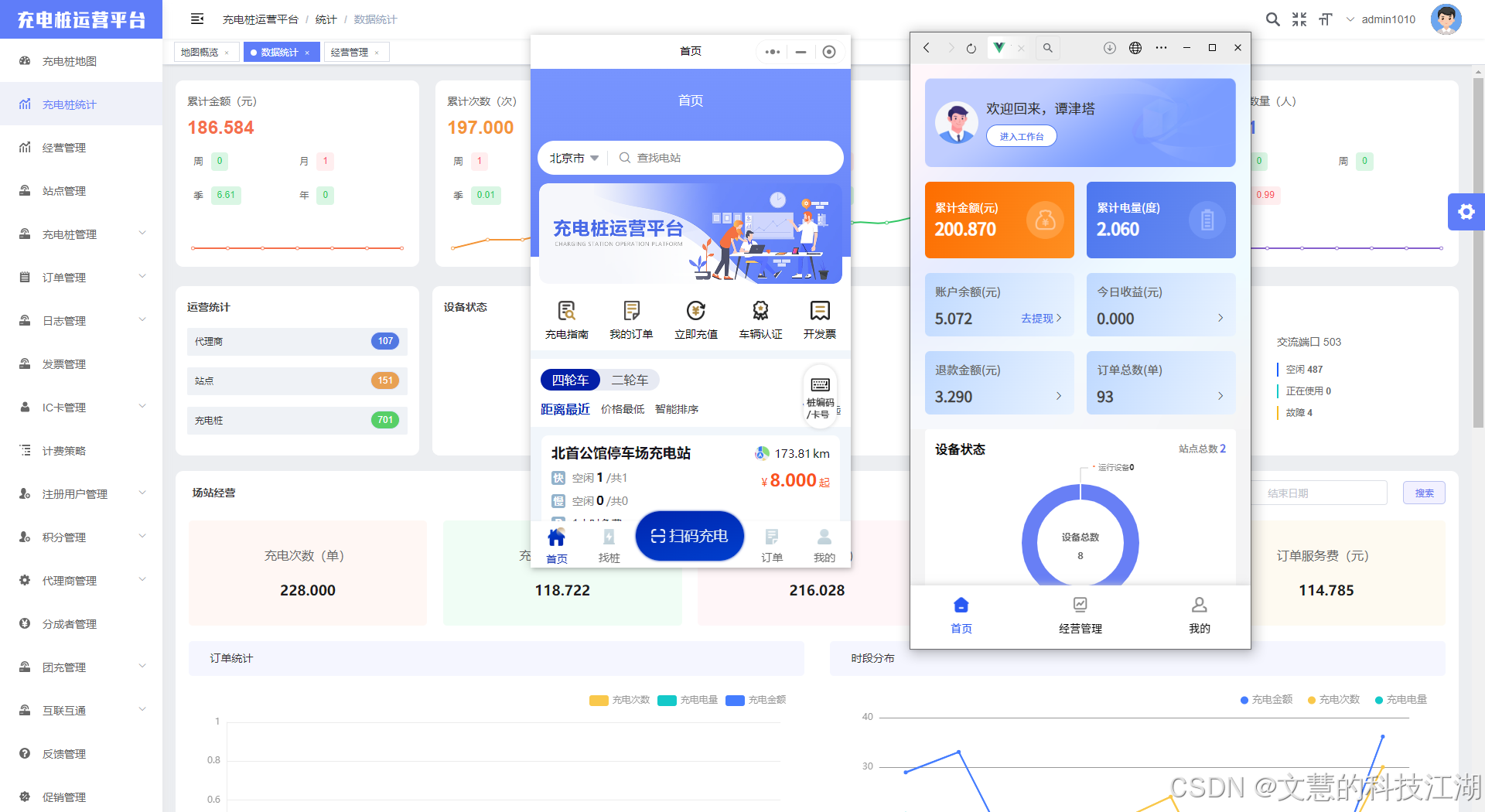
下载源码 【慧哥开源充电桩平台】 https://liwenhui.blog.csdn.net/article/details/134773779?spm=1001.2014.3001.5502
本文参与 腾讯云自媒体同步曝光计划,分享自作者个人站点/博客。
原始发表:2024-08-31,如有侵权请联系 cloudcommunity@tencent.com 删除
腾讯云开发者

Copyright © 2013 - 2026 Tencent Cloud. All Rights Reserved. 腾讯云 版权所有
深圳市腾讯计算机系统有限公司 ICP备案/许可证号:粤B2-20090059  粤公网安备44030502008569号
腾讯云计算(北京)有限责任公司 京ICP证150476号 | 京ICP备11018762号